
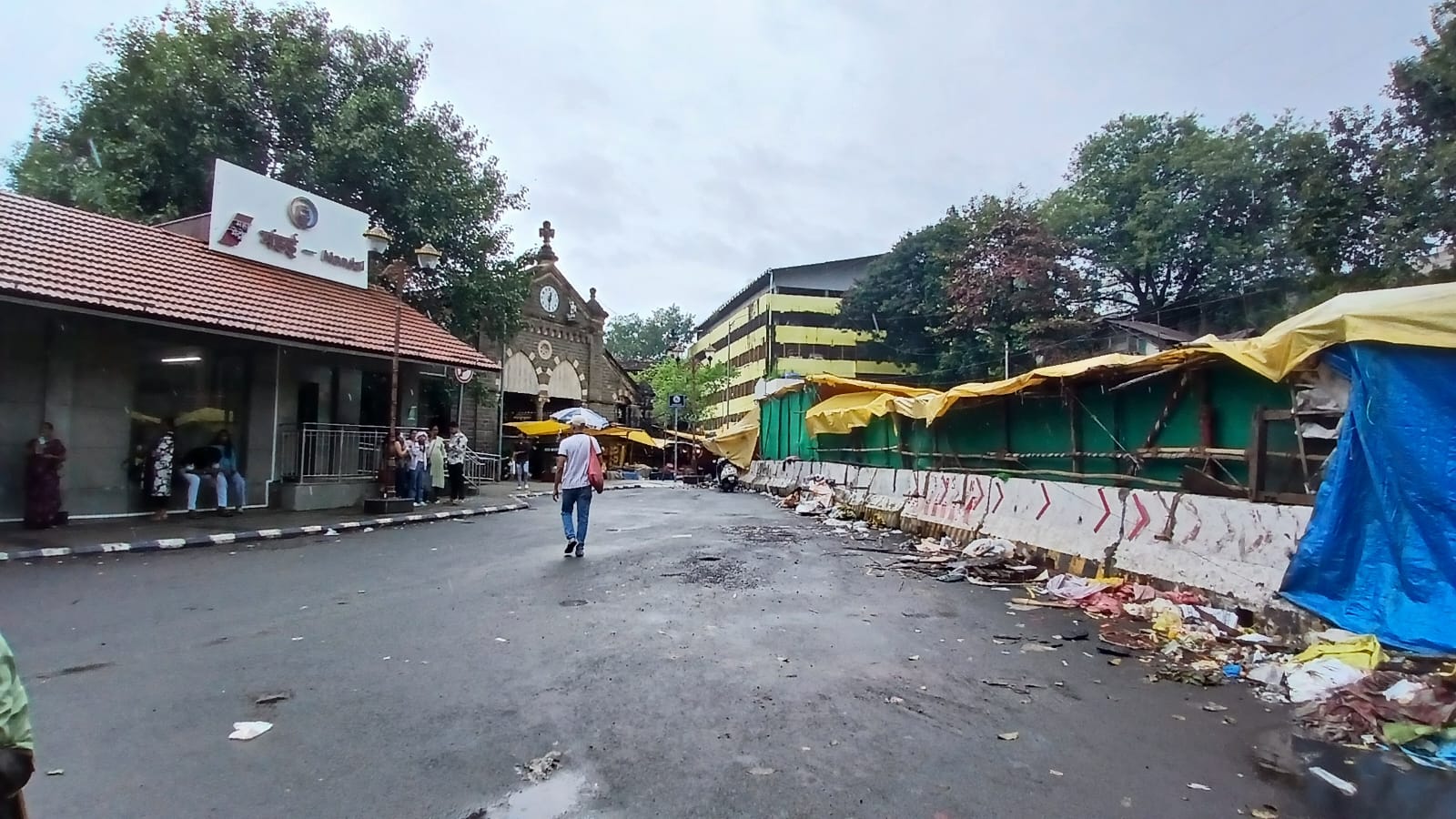
At Pune’s Mahatma Phule Mandai, vendors of vegetables, flowers, bangles and bamboo have spent generations building their trade. Then the metro came.
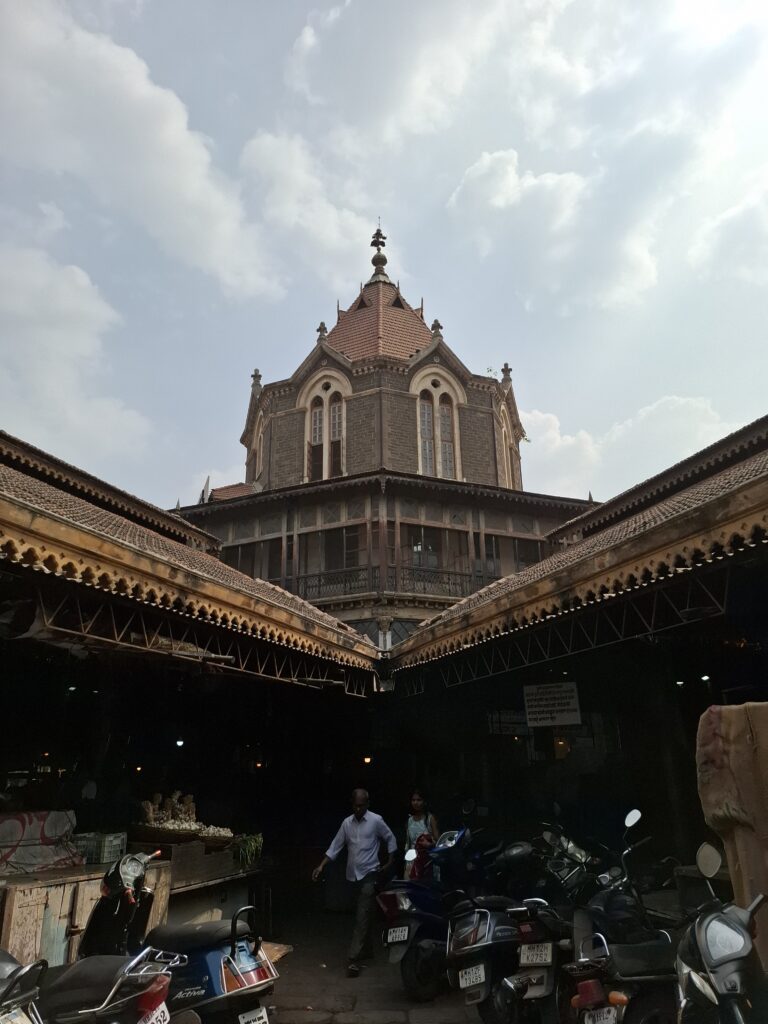
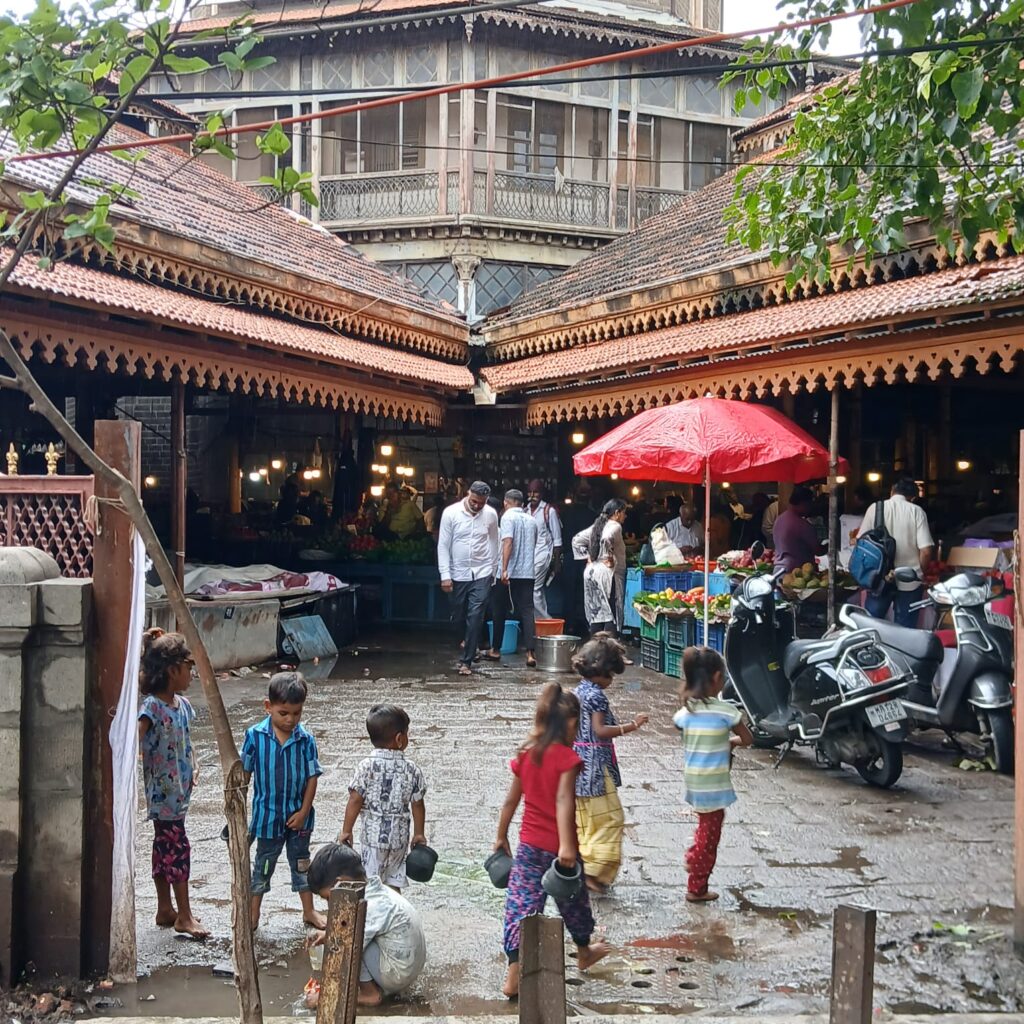
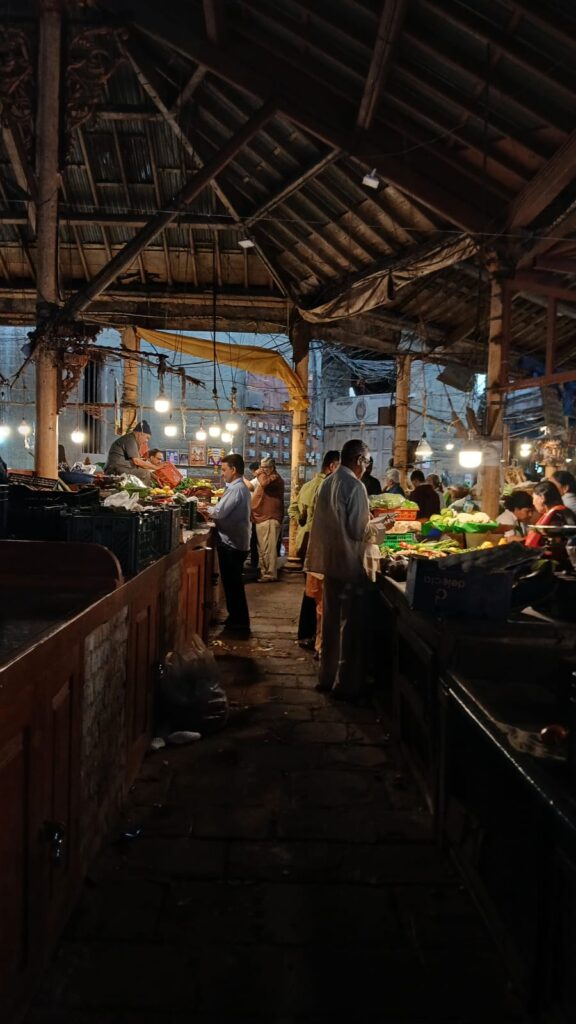
Every morning, long before the city stirs, the Mandai is already alive. Vegetable vendors arrange their produce on the wet stone floor. Flower sellers sort marigolds and jasmine in the half-dark. From the narrow lane called Burud Ali, bamboo workers wheel in their morning loads. The air smells of coriander, damp earth, and fresh cut stems. This is how it has worked at Mahatma Phule Mandai in Kasba Peth, Pune, for 140 years.
The market was built in 1886, during British rule, in the Gothic style. It was later renamed after the social reformer Jyotiba Phule. Today it is Pune’s largest wholesale vegetable market. For hundreds of families who set up here every day, the Mandai is not simply a place of work. It is a life they were born into.
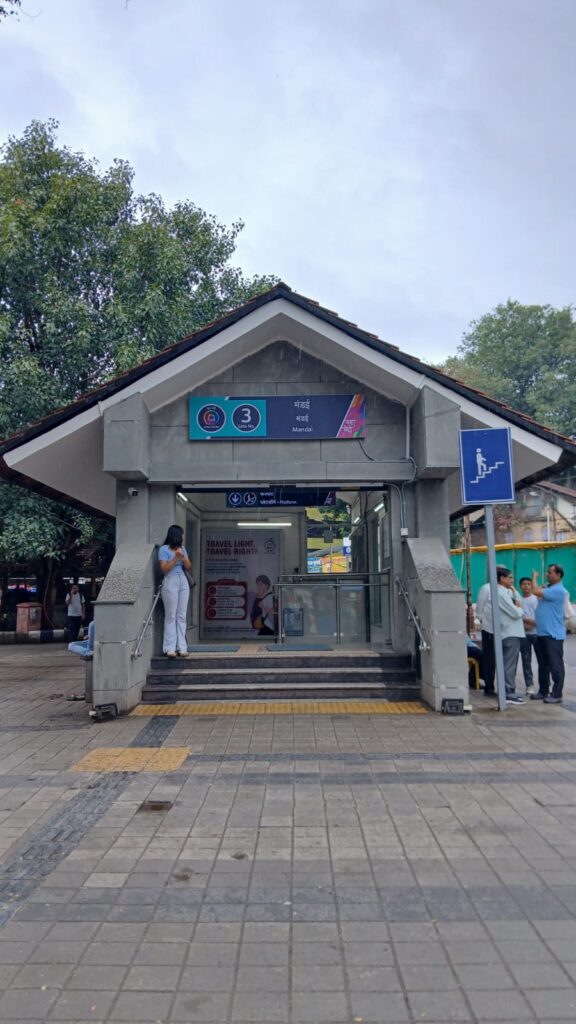
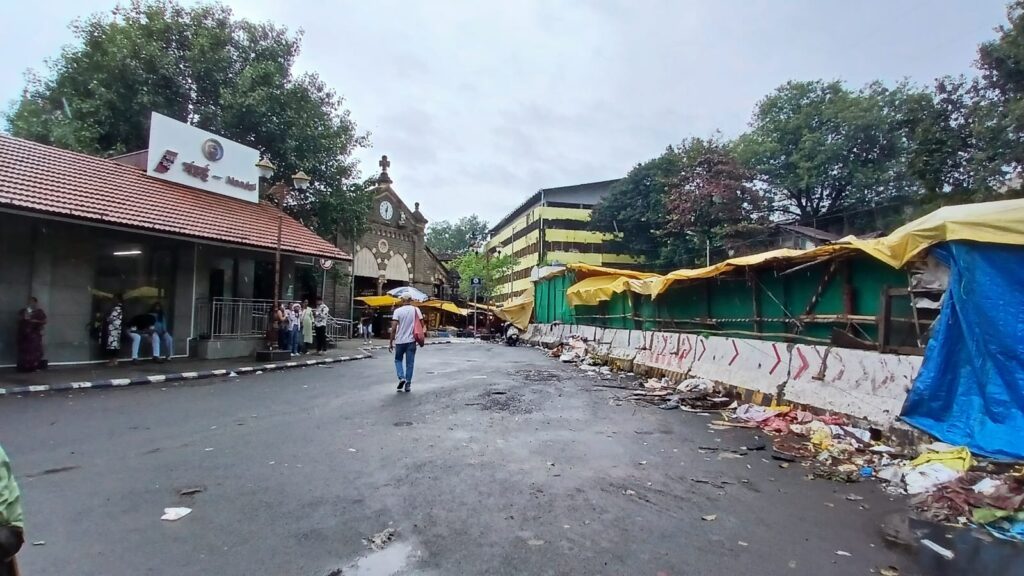
Then the construction began. A crane appeared above the old wooden roof. Barricades went up along familiar footpaths. As part of Phase I of Pune Metro, an underground station was built directly beside the market. The roads that vendors and their customers had walked for decades were altered, blocked, or closed without warning.
Around 152 small merchants were moved out during the work and shifted to parking lots, side streets, and patches of open ground with tarpaulin stretched overhead. Some were told it would be for a few months. Many are still waiting.
Anandi Palshikar, 52 years old, has sold vegetables at the Mandai for more than 15 years. She did not go far, just to the edge of the road, but it felt like a different place. Customers who knew her spot did not always find her. Some turned back when they saw the dust and the barricades.
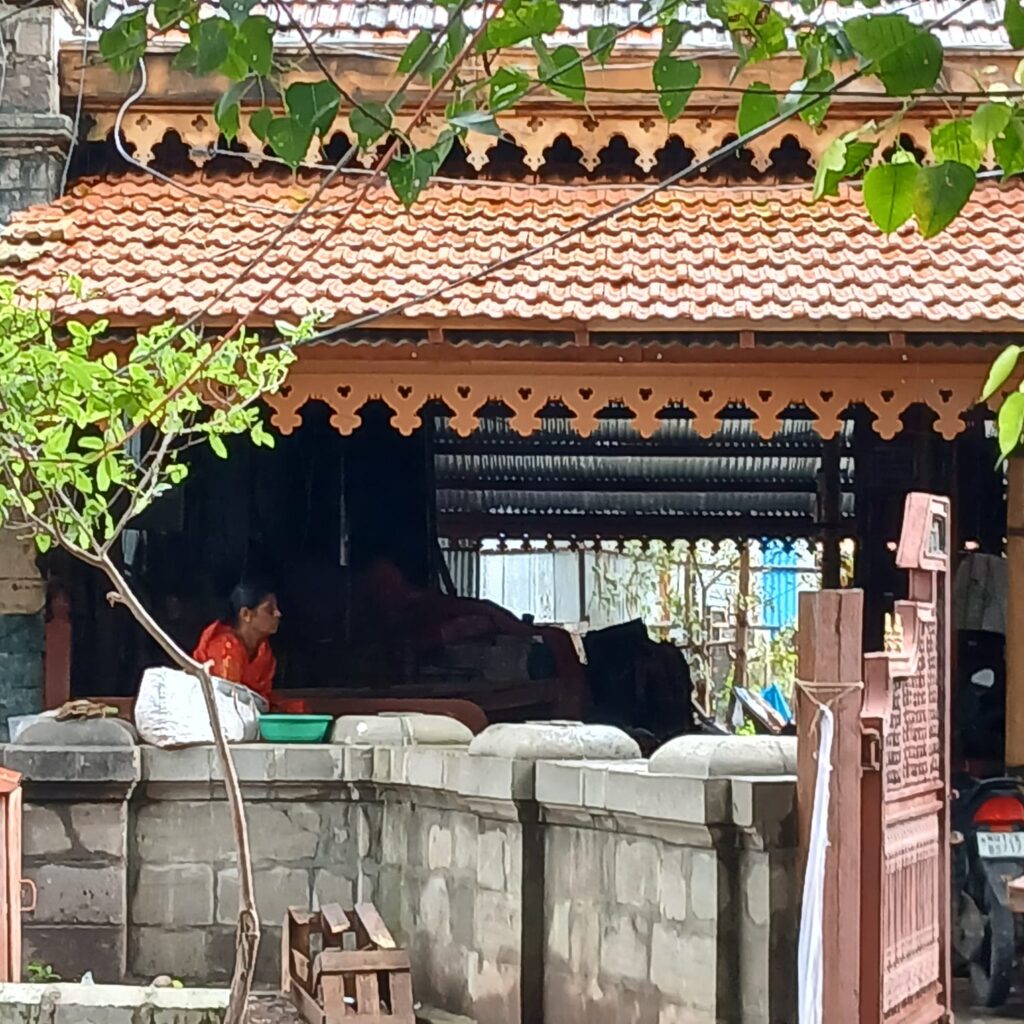
“अगं बाळा, आता असंच आहे रे, शिकून जगायला लागेल.” (Ohh dear! this is how it is now; we have to learn and survive) she says.
In the lane called Burud Ali, Tukaram More, 61 years old, sits surrounded by bamboo. He has been weaving baskets and winnowing here since he was a young boy. His hands move without looking down. The craft came from his father.
Since the metro work began, fewer people walk past his stall. Transport costs have gone up, but his baskets still get made.
“आता सर्व काही महाग आणि कठीण झाले आहे.” (Now everything is expensive and difficult) he says.
The bangle shops have their own rhythm. Their best weeks come before festivals like Navratri, Diwali, and the wedding season. Customers arrive to pick colours, try sizes, bargain a little.
Babu Parveez, who runs a bangle shop in the Mandai area, says last year’s festival season was the quietest in memory. The lanes that once brought people past his shop were rerouted. Customers who came looking sometimes could not find the way in.
“आमचा संपूर्ण व्यवसायच जोखमीचा बनला आहे. भविष्यात काय वाढून ठेवलंय, याचा मला प्रश्न पडतो.” (Our whole business became risky; I wonder what the future holds) he says.
Maha Metro has proposed official shop units for displaced vendors near the new station’s access points. But traders say these spots do not work the same way. The old locations were not chosen at random. They were built over years of knowing exactly where people walked, what they needed, and when they stopped.
A market is not only a structure. It is the memory of small habits, a customer who always buys tomatoes from the same woman, a child who finds the bangle shop by the coloured light it throws on the wall.
This visual ethnography was an attempt to understand David Harvey’s work on the Right to the City, which argues that urban space should serve collective and social needs rather than capitalist interests or elite-driven development. For Harvey, this right is not merely about cultural belonging or symbolic participation; it is fundamentally about control over the conditions of urban life, including access to work, housing, and public space. The right to the city is increasingly denied to those sustaining its lived traditions. True urban progress must reconcile infrastructure with inclusion, ensuring that development does not erase the very communities that give the city its enduring identity and meaning.
***
Soumya Khandate has graduated with an MA in Sociology from Savitribai Phule Pune University, Pune
I guess it is to ensure the narrative doesn’t get told the way it should be, the narrative of the voices unheard. Like this has made the effort to do so….. Development isn’t the same for everyone.
The vendors were on the roads leading to the market building. We hardly went inside which has multiple entrances and spacious walkways..
This place is one that sells costlier vegetables as compared to outside ones. Roadside is cheaper. You should now thank the metro people from PCMC and now from Katraj too will land right in the middle of the market. I was expecting vegetables lying around the mandai station, we somehow we have learnt to be clean and tidy.